Problem-solving is one of the most valuable skills students can develop during their education. Academic subjects often require learners to understand information, analyze situations, and find appropriate solutions. However, problem-solving is not limited to examinations or classroom assignments. It is also essential for everyday decisions, professional responsibilities, and future career development.
As workplaces continue to change through technology and innovation, employers increasingly value people who can approach unfamiliar challenges with confidence. Students who develop strong problem-solving abilities can become more adaptable, independent, and prepared for different situations.
Understanding Problem-Solving Skills
Problem-solving involves identifying a challenge, understanding its causes, considering possible solutions, and selecting an appropriate course of action. It often requires a combination of critical thinking, creativity, research, communication, and decision-making.
Students may use problem-solving skills when working on a difficult mathematics question, completing a research project, resolving a disagreement within a group, or deciding how to manage competing academic deadlines.
The process may look different depending on the situation, but the underlying goal remains the same: understand the problem and develop an effective response.
Learning to Identify the Real Problem
One of the first steps in effective problem-solving is identifying what actually needs to be solved. Students sometimes focus on the most visible part of a problem without examining its underlying cause.
For example, if a student is consistently missing assignment deadlines, the problem may not simply be a lack of time. The underlying issue could involve poor planning, unclear priorities, distractions, or difficulty understanding the assignment.
Learning to ask questions such as “What is causing this problem?” and “What information am I missing?” can help students understand situations more accurately.
Careful problem identification reduces the likelihood of choosing a solution that addresses only the symptoms rather than the actual cause.
Developing Critical Thinking
Critical thinking is closely connected to problem-solving. Students need to evaluate information, compare alternatives, identify assumptions, and determine whether a proposed solution is reasonable.
Teachers can develop these abilities by giving students open-ended questions that require explanation rather than simple memorization.
For example, instead of asking students only to identify an environmental problem, an assignment could ask them to compare several possible solutions and explain the advantages and limitations of each.
This encourages students to examine evidence and develop conclusions based on reasoning.
Using Research Effectively
Good decisions often depend on reliable information. Students should learn how to research a problem before selecting a solution.
Research may involve textbooks, academic publications, trusted websites, interviews, surveys, or other relevant sources. Students should also learn to evaluate the credibility of information rather than accepting every source as equally reliable.
Comparing multiple sources can reveal different perspectives and help learners develop a more complete understanding of an issue.
Research skills become particularly important for university students who regularly complete essays, presentations, research papers, and practical projects.
Considering Multiple Solutions
Many problems have more than one possible solution. Students can improve their problem-solving abilities by learning to generate several options before deciding which approach to use.
Brainstorming is a simple technique that can encourage students to think beyond their first idea. During the initial stage, learners can list possible solutions without immediately judging them.
After generating ideas, they can evaluate each option based on factors such as effectiveness, cost, time, available resources, and potential consequences.
This process encourages flexible thinking and reduces the tendency to accept the first solution that comes to mind.
Learning From Mistakes
Mistakes are a natural part of problem-solving. A solution may fail because of incomplete information, an incorrect assumption, or unexpected circumstances.
Instead of viewing failure as the end of the process, students can treat it as an opportunity to learn. After an unsuccessful attempt, they can ask what went wrong, what could have been done differently, and what information was missing.
This reflective approach can help students become more resilient. It also teaches them that successful problem-solving often involves testing ideas, receiving feedback, and making improvements.
Practicing Through Real-World Projects
Practical projects provide valuable opportunities for students to apply problem-solving skills. Unlike questions with predetermined answers, real-world projects may require learners to make decisions at several stages.
For example, students could design a plan for improving recycling at their school. They might need to research current practices, identify obstacles, estimate costs, develop recommendations, and present their proposal.
Such projects encourage learners to combine different skills. They must gather information, communicate with others, analyze evidence, and make decisions.
Project-based learning can therefore connect academic knowledge with practical problem-solving.
Working With Others
Collaboration can strengthen problem-solving because different people often bring different perspectives and experiences.
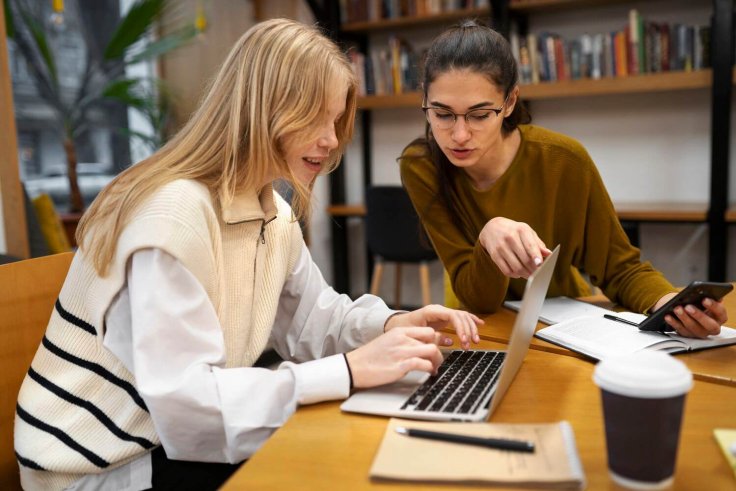
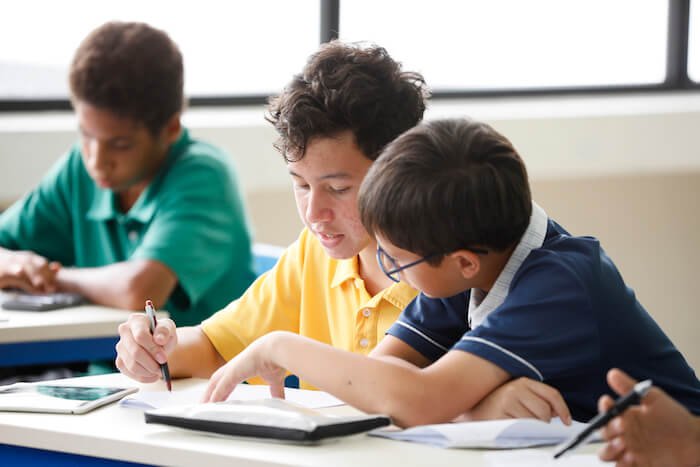
Group projects allow students to compare ideas, challenge assumptions, and develop solutions together. A student may notice an issue that another group member overlooked, while someone else may suggest a creative alternative.
Effective collaboration requires students to listen carefully and communicate respectfully. They must also learn how to handle disagreements without allowing them to interfere with the overall objective.
These experiences can prepare learners for professional environments where complex problems are frequently addressed by teams rather than individuals working alone.
Using Technology as a Problem-Solving Tool
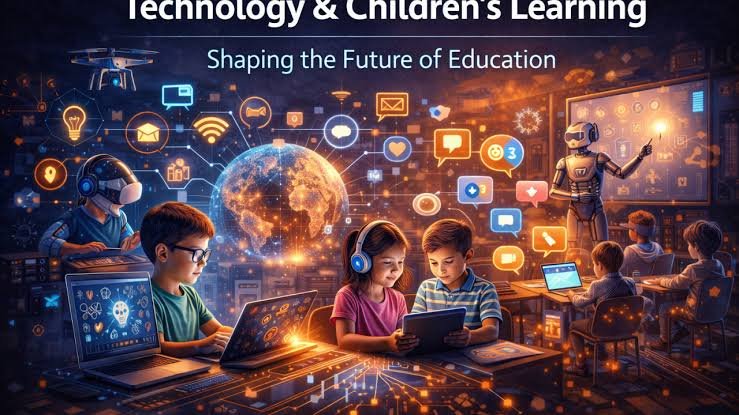
Technology can provide students with additional resources for analyzing and solving problems. Digital research tools, educational applications, spreadsheets, simulations, and collaborative platforms can make it easier to organize information and test ideas.
Students can use technology to analyze data, create models, visualize information, or communicate proposed solutions.
However, technology should support thinking rather than replace it. Students still need to understand the problem, evaluate information, and make responsible decisions.
Learning how to choose appropriate digital tools is itself an important problem-solving skill.
Building Confidence Through Practice
Problem-solving abilities improve with regular practice. Students should have opportunities to work on challenges that gradually increase in complexity.
Teachers can provide constructive feedback that explains not only whether an answer is correct but also how the student’s reasoning could be improved.
Over time, repeated practice can make students more comfortable with uncertainty. Instead of immediately becoming discouraged when they do not know an answer, they can learn to break the problem into smaller parts and explore possible approaches.
This confidence can benefit students both academically and personally.
Applying Problem-Solving Beyond the Classroom
Problem-solving skills remain valuable long after graduation. Professionals encounter changing customer needs, technical difficulties, organizational challenges, and unexpected events.
A graduate who can identify problems, research solutions, evaluate alternatives, and adapt when circumstances change may be better prepared for these situations.
Problem-solving also supports everyday life. Managing schedules, planning finances, making decisions, and resolving interpersonal disagreements all require similar abilities.
For this reason, developing problem-solving skills during education can provide benefits that extend across many areas of life.
Conclusion
Effective problem-solving is an essential skill for students because it supports academic achievement, personal independence, and professional development. Learners can strengthen this ability by developing critical thinking, conducting reliable research, considering multiple solutions, learning from mistakes, and practicing through real-world projects.