Education is constantly changing as new technologies, teaching methods, and learning environments emerge. Traditional classrooms remain important, but students today have access to more educational resources and learning opportunities than ever before. Educational innovation is helping institutions explore new ways to make learning more engaging, flexible, practical, and accessible.
Innovation in education does not simply mean introducing the latest technology. It involves finding better ways to support students, improve teaching, and respond to the changing needs of society. When implemented thoughtfully, innovative approaches can help prepare learners for a rapidly evolving world.
Understanding Educational Innovation
Educational innovation refers to new ideas, methods, technologies, or approaches designed to improve learning and teaching. It can involve classroom practices, digital platforms, assessment methods, curriculum design, or student support services.
Innovation can be as simple as changing how a lesson is delivered or as advanced as using artificial intelligence to personalize learning experiences.
The main purpose is not to make education more complicated. Instead, innovation should help students understand concepts more effectively and give educators better tools to support different learning needs.
The Growth of Digital Learning
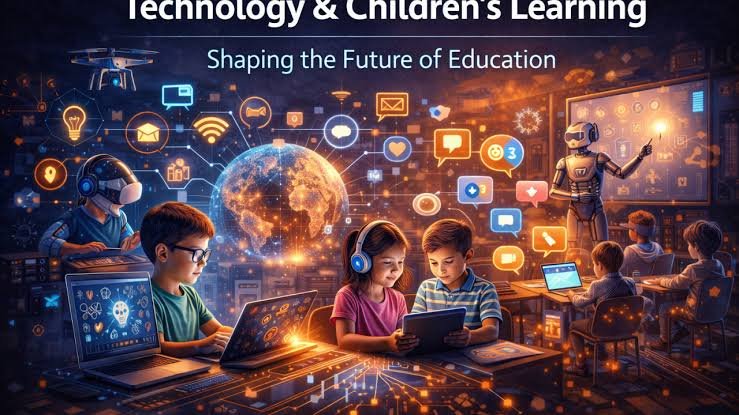
Digital learning has become an important part of modern education. Students can access online courses, digital libraries, educational videos, interactive exercises, and virtual classrooms from a wide range of locations.
These resources can make learning more flexible. Students may be able to review lessons at their own pace, revisit difficult topics, or access supplementary materials outside traditional classroom hours.
Online learning can also support students who live far from educational institutions or have schedules that make regular attendance difficult.
However, effective digital education requires more than simply uploading traditional lessons online. Courses should be designed to encourage interaction, provide useful feedback, and maintain student engagement.
Personalized Learning Experiences
Students do not all learn at the same pace or in exactly the same way. Educational innovation is creating opportunities for more personalized learning experiences.
Digital platforms can help educators track student progress and identify areas where additional support may be needed. Some systems can recommend exercises or resources based on a learner’s performance.
Personalized learning can also involve flexible assignments and different ways of demonstrating knowledge. A student might explain a concept through a written report, presentation, practical project, or digital demonstration depending on the learning objectives.
This flexibility can help institutions respond to individual differences while maintaining appropriate academic standards.
The Role of Artificial Intelligence
Artificial intelligence is becoming increasingly relevant to education. AI-powered tools can assist with tasks such as generating practice questions, providing explanations, organizing information, and offering feedback.
For educators, these tools may help reduce time spent on certain administrative or repetitive tasks. This can allow teachers to focus more attention on classroom interaction and individual student support.
At the same time, AI introduces important responsibilities. Students need to understand that AI-generated information may contain errors, while educators need clear guidelines for responsible use.
The most effective approach is to use AI as a learning support tool while continuing to emphasize independent thinking, research, and academic integrity.
Project-Based and Experiential Learning
Educational innovation is also changing how students apply knowledge. Project-based learning allows students to work on realistic challenges that require research, collaboration, and decision-making.
Instead of studying concepts only through lectures or textbooks, students can use their knowledge to create something or solve a problem.
For example, students might design a sustainable community project, develop a business proposal, create a digital application, or conduct research into a local issue.
These activities can strengthen practical skills while helping learners understand how academic knowledge connects to real-world situations.
Virtual and Augmented Learning Environments
Emerging technologies such as virtual reality and augmented reality are creating new possibilities for interactive education.
Virtual environments can allow students to explore places, systems, or scenarios that may be difficult to experience in a traditional classroom. For example, learners could explore historical environments, conduct simulated scientific activities, or practice professional procedures in controlled settings.
Augmented reality can add digital information to physical environments, creating interactive learning experiences.
Although these technologies may not be suitable for every subject or institution, they demonstrate how education can use technology to make abstract concepts more visual and engaging.
Improving Collaboration
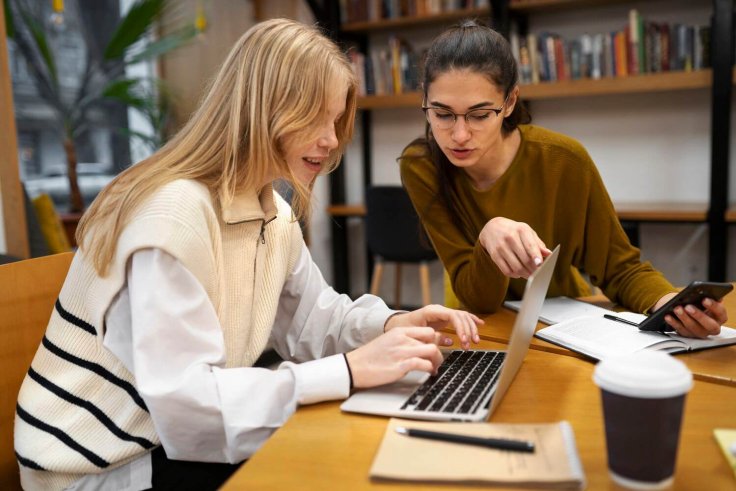
Innovation can also strengthen collaboration among students and educators. Digital platforms allow learners to share documents, communicate about projects, and work together even when they are not in the same location.
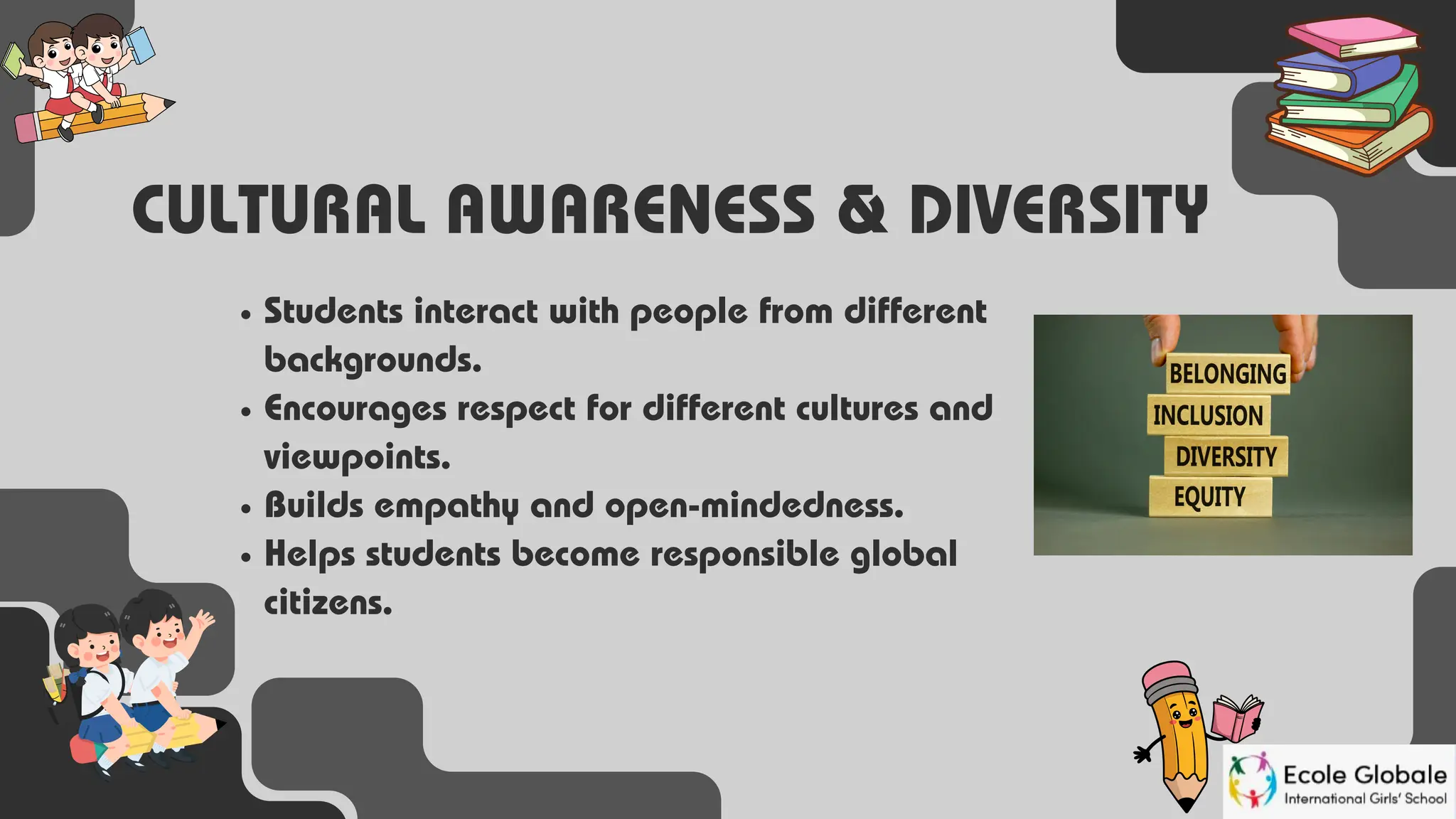
Virtual collaboration can connect students from different countries, creating opportunities for international projects and cultural exchange.
These experiences can help students develop communication, teamwork, and digital collaboration skills that are increasingly valuable in modern workplaces.
Supporting Teachers Through Innovation
Educational innovation should not focus only on students. Teachers also need appropriate tools, training, and support.
Digital systems can help educators organize course materials, monitor student progress, and communicate with learners. Technology can also provide access to professional development resources and teaching communities.
However, successful innovation requires teacher involvement. Educators understand classroom realities and can identify which technologies genuinely improve learning.
Training is therefore essential. Teachers need opportunities to understand new tools and explore how they can be integrated into existing teaching strategies.
Making Education More Accessible
Innovation can help reduce certain barriers to education. Online resources, assistive technologies, digital textbooks, captioning, speech recognition, and translation tools can make learning more accessible to different groups of students.
Accessibility should be considered when educational technologies are designed and implemented. A digital solution is only useful if students can actually access and use it effectively.
Institutions should also consider issues such as internet availability, device access, technical support, and digital skills.
Preparing Students for Future Careers
The future workforce will require people who can adapt to changing technologies and workplace expectations. Educational innovation can help students develop these abilities before they graduate.
Students can gain experience with digital tools, collaborative platforms, research methods, data analysis, and problem-solving through innovative learning activities.
More importantly, innovative education can encourage curiosity and lifelong learning. Students who become comfortable learning new technologies and adapting to unfamiliar situations may be better prepared for future changes.
Conclusion
Educational innovation is reshaping the way students learn and teachers deliver education. Digital learning, personalized instruction, artificial intelligence, project-based education, immersive technologies, and collaborative platforms are creating new opportunities across different learning environments.
However, innovation should always serve a clear educational purpose. Technology alone cannot guarantee better learning. Successful innovation requires thoughtful planning, teacher involvement, accessibility, responsible technology use, and a strong focus on student needs.
As education continues to evolve, institutions that combine innovative approaches with effective teaching practices can help prepare the next generation of learners for a changing and increasingly connected world.