International education has become an important part of modern learning. As communication, technology, business, and research increasingly connect people across borders, students have more opportunities to interact with individuals from different cultures and backgrounds.
Studying in an international environment can provide more than academic knowledge. It can help students develop cultural awareness, improve communication skills, challenge assumptions, and understand different perspectives. These experiences can prepare learners for both personal growth and professional opportunities in an interconnected world.
Understanding Cultural Awareness
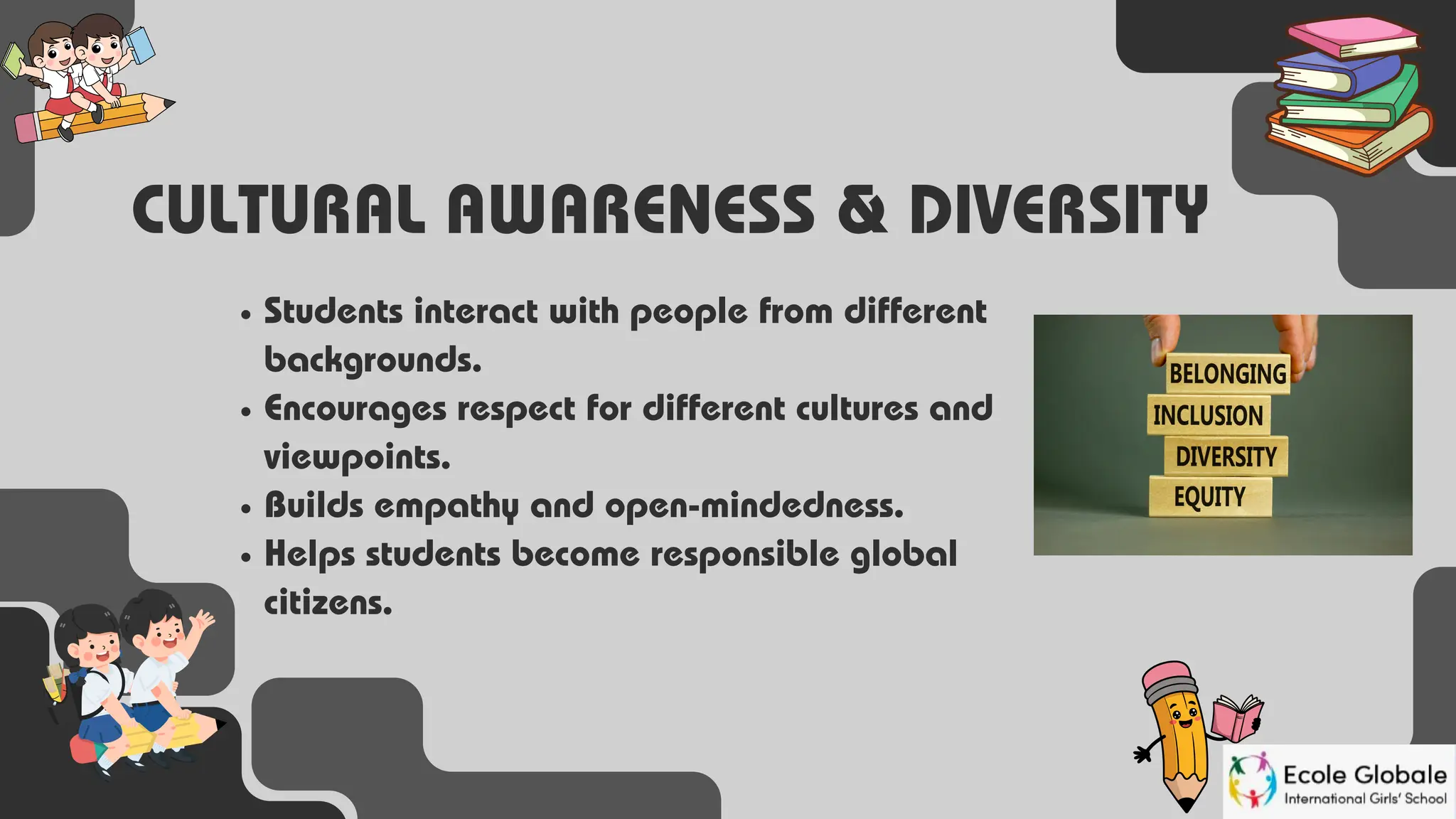
Cultural awareness means recognizing that people may have different traditions, values, communication styles, and approaches to everyday life. It involves understanding these differences without automatically judging them according to one’s own experiences.
International education gives students opportunities to encounter different perspectives directly. A classroom may include learners from several countries, each bringing unique experiences and ideas to discussions.
These interactions can help students understand that there is rarely only one way to approach a problem or interpret an event. Exposure to different viewpoints encourages curiosity and creates opportunities for meaningful learning.
Learning Through Diverse Classrooms
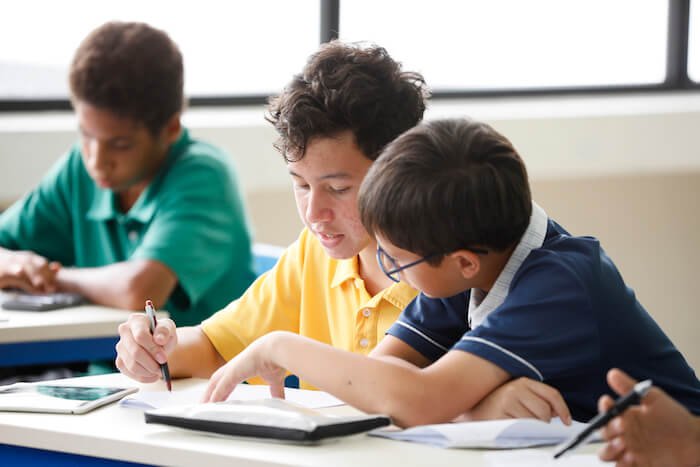
A diverse classroom can become an important source of knowledge. Students may have different educational backgrounds, languages, traditions, and experiences, which can influence how they understand academic topics.
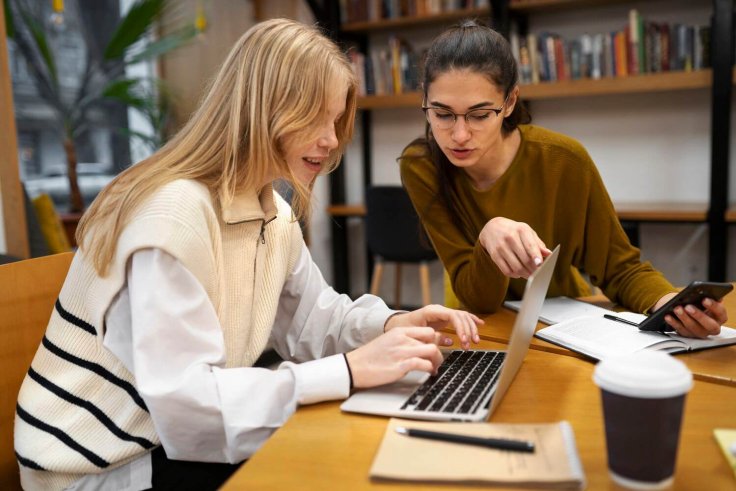
Group discussions and collaborative assignments provide opportunities for students to exchange ideas. A learner may discover a new perspective simply by listening to how a classmate from another country approaches the same subject.
This type of interaction can make classroom learning more dynamic. It also encourages students to explain their ideas clearly and consider alternative viewpoints before reaching conclusions.
Teachers can strengthen this experience by designing activities that encourage respectful discussion and participation from students with different backgrounds.
Developing Better Communication Skills
Communication across cultures requires flexibility and patience. Words, gestures, tone, and social expectations can vary significantly between different communities.
International education gives students opportunities to practice communicating with people who may not share the same cultural assumptions. Over time, learners can become more comfortable asking questions, clarifying misunderstandings, and adapting their communication style.
Language learning can further strengthen these abilities. Even basic knowledge of another language can help students understand different cultures and communicate more effectively.
These skills can become valuable later in professional environments where employees may work with international clients, colleagues, suppliers, or partners.
Challenging Stereotypes and Assumptions
People sometimes form opinions about unfamiliar cultures based on limited information, media representations, or stereotypes. Direct interaction can provide a more accurate and complex understanding.
When students meet people from different backgrounds, they can discover that individuals within the same culture may have very different personalities, interests, and perspectives.
International education encourages students to move beyond simplified assumptions. Instead of viewing a culture as a collection of fixed characteristics, learners can begin to recognize the diversity that exists within every society.
This type of awareness supports more thoughtful and respectful relationships.
Encouraging Global Perspectives
Many modern challenges extend beyond national borders. Issues such as climate change, technological development, public health, economic cooperation, and cybersecurity require international discussion and collaboration.
Students who develop global perspectives may be better prepared to understand how local decisions can affect other communities and how international cooperation can contribute to solutions.
Universities can encourage this perspective through international research projects, guest lectures, exchange programs, and courses that examine global issues from multiple viewpoints.
Students can learn to evaluate problems from both local and international perspectives rather than focusing exclusively on their immediate surroundings.
Building Confidence and Independence
International education can also encourage personal growth. Students who study in unfamiliar environments often need to adapt to new routines, communication styles, academic expectations, and social situations.
These experiences can strengthen independence and confidence. Learners may become more comfortable making decisions, solving unexpected problems, and asking for assistance when necessary.
For students who study abroad, everyday activities such as navigating transportation, managing schedules, and interacting with local communities can provide additional opportunities to develop practical skills.
Even virtual international programs can create similar experiences by connecting students with peers from other regions.
Preparing Students for International Careers
Global employers increasingly value professionals who can work effectively with diverse teams. Cultural awareness can be particularly useful in industries such as international business, tourism, technology, education, finance, communications, and research.
A graduate who understands different communication styles and can collaborate respectfully with people from different backgrounds may be better prepared for international workplace environments.
International education can also help students develop professional networks. Relationships formed during university programs may later lead to research partnerships, career opportunities, or international collaborations.
These connections demonstrate how education can create benefits that extend beyond the classroom.
The Role of Universities in Promoting Cultural Understanding
Universities can create opportunities for cultural exchange even when students do not participate in traditional study-abroad programs.
International student organizations, multicultural events, language clubs, guest speakers, virtual exchange projects, and collaborative research activities can bring students together.
Academic institutions can also encourage faculty members to incorporate international examples into their courses. Comparing different approaches to business, education, technology, or social development can help students understand how cultural and regional factors influence decision-making.
Creating an inclusive campus environment is equally important. Students should feel respected and encouraged to share their experiences while remaining open to learning from others.
Learning From Differences
Cultural differences can sometimes create misunderstandings, but these situations can also become valuable learning opportunities.
Students may discover that an approach they initially find unfamiliar has a logical explanation based on different social expectations or traditions. Learning to ask questions instead of making assumptions can turn potential misunderstandings into opportunities for growth.
This ability to remain open-minded is useful throughout life. It helps people adapt to unfamiliar environments and approach differences with curiosity rather than fear.
Conclusion
International education offers students much more than exposure to different academic systems. It provides opportunities to develop cultural awareness, communication skills, independence, and global perspectives.
Through diverse classrooms, international collaboration, exchange programs, and multicultural activities, students can learn to appreciate different viewpoints and challenge assumptions.
As the world becomes increasingly connected, these abilities are becoming valuable for both personal and professional development. Education that encourages cultural understanding can help prepare students to participate confidently and respectfully in a global community.